

 US & International
 Australia
 New Zealand
In part one of this series, Rescue Agents revealed the very real dangers that children face from online threats. Once parents recognise that sharks are in the water, the reflexive response is to protect their children at all costs, but in an increasingly online world, the task can seem overwhelming.
It doesn’t have to be.
“We need to learn how to handle it, to understand what steps to take. Because if we don’t, by the time something is already happening, it may be too late to act wisely and save them,” said Rescue Agent Samantha. “From the very first signs of abuse, you should already have an idea of what to do—where to go, who to reach out to, how to act, and how to respond appropriately….”
Online “Seatbelts”
Terrible car accidents happen every day, but we don’t see a nationwide movement to abandon driving. In the same way, parents can’t hope to perfectly isolate their children from the internet in an increasingly online world.
A better approach is to teach children safe internet practices and lead by example. Kids are comfortable surpassing their limitations. They spend every day at school overcoming ignorance. They understand that rec soccer could prepare them for the World Cup.
When treated maturely, most kids step up, not down. Frank conversations about online “driver’s ed” empower children to understand their own vulnerabilities and join you in creating a protection plan to mitigate their risks.
Be the “safe space”
Whether a child is 5 or 15, our agents agree that fostering an open, safe relationship now is the key to both protecting children and helping them if they do suffer exploitation.
Rescue Agent Samantha said that fostering a long-term, solid relationship is paramount: “Constant communication between parents and children is important… where the child feels they have a safe space to share their experiences and emotions without fear or shame.”
That earned trust will help kids be more receptive when it’s time for mature conversations about establishing safe boundaries for web use.

Know your child’s friends, both online and offline.”
—Criselda, Rescue Agent in the Dominican Republic
In the midst of these discussions, parents must remember an important fact: children are vulnerable.

That means there is no such thing as online privacy for kids. Lance, one of our burn agents, doesn’t mince words on what this means: “Parents should have access to their children’s phones so they can know who they are talking to.”
This flies in the face of a culture that treats online interactions as sacred, but it is absolutely necessary. A mother would never allow a group of strangers into her daughter’s bedroom at night, but going to bed with a smartphone is, in many ways, no different.
This isn’t about lecturing; it’s about equipping. Upon learning about online dangers, kids may surprise parents by taking responsibility. Frame your conversations as learning experiences that will help your child protect friends from online exploitation. If kids feel like they’re being equipped rather than restricted, they can take more ownership of their own protection.
Be the protector, not part of the problem
In the first post of this online safety series, we discussed how oversharing pictures and information about children online puts kids at risk. Beyond the moral problems with this type of “sharenting,” parents may also be feeding predators exactly what they need to harm kids.
“I hope all parents realise that even a simple photo of their child posted online can be misused by harmful individuals,” Samantha said. “They need to be more careful with sharing their child’s pictures and information because many people can see these posts—including predators or paedophiles lurking online.”
With stakes so high, it’s tempting to take a puritanical route, wiping all photos online and erasing your family’s digital footprint completely. While potentially effective, a more moderate approach can help mitigate online risks while still allowing your family-controlled exposure to the online world—a basic necessity for success in today’s society.
Creating a new normal
This isn’t the first time that rapid technological development has led to child exploitation.
In the late 1800s, rapid industrialisation moved work from farms to factories. Children, long expected to help around the farm, began working in those factories, where they were subjected to horrific conditions and brutal hours.
Change didn’t come from the top down: it wasn’t government watchdog agencies or factory corporations that finally put a stop to the exploitation. It was parents and advocates.
Now, parents have another opportunity to right a cultural wrong from the ground up.
It starts with breaking the milieu that treats children like public property. Parents can boldly but kindly demand school or church consent forms for sharing child images online. They can politely ask other parents at parties to refrain from taking photos of their child. But first, they can demonstrate their devotion to their child’s safety by prioritising it in their own online habits.
Rescue Agent Austin says that adults must take extra precautions to protect their children’s images online: “Turn off location data for the camera. Avoid photos that have telling information (school, bedroom, etc.). Be careful of auto-syncing photos to other unknown apps.”
Another agent recommended that no public-facing images of your kids that are easily identified be shared—that any photos featuring faces or defining physical features should always be obscured.
While this may sound impractical, over-the-top or impossible, there are practical ways to begin exploring “cyber modesty”:
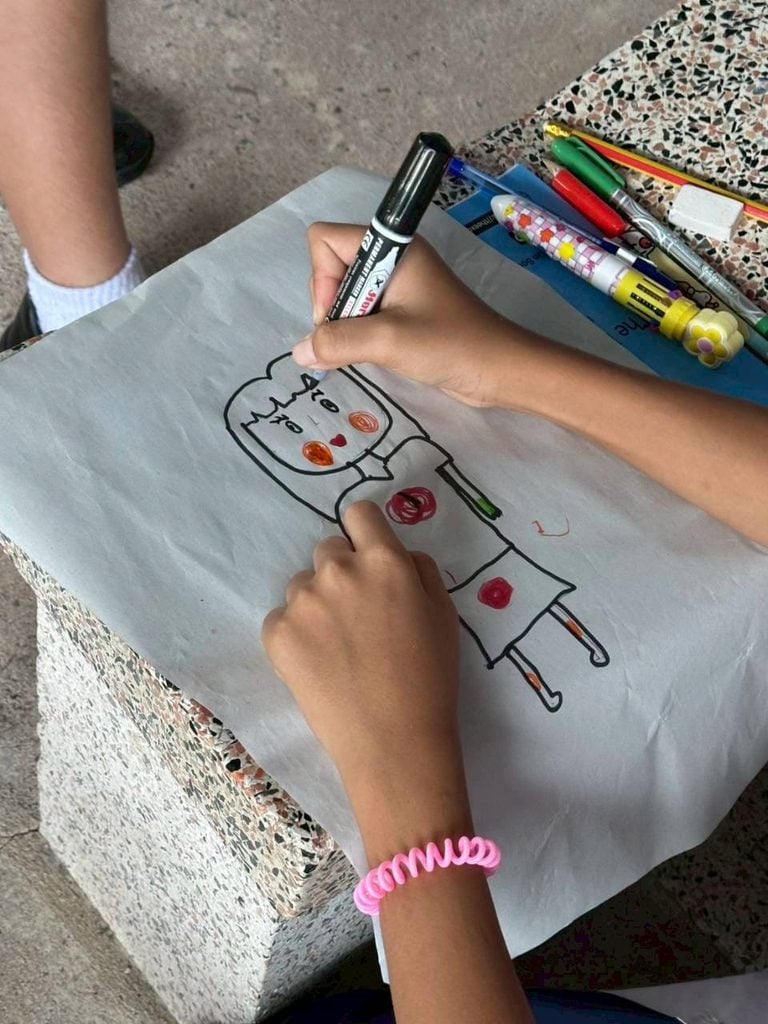
Directly sharing detail-rich family photos to trusted loved ones (who know not to share them) isn’t much more difficult than uploading them to social media. Requesting the church implement consent forms for utilising a child’s image in public or asking a swim coach to take down or obscure a photo of a child might feel awkward, but is the risk of online exploitation not worth an awkward conversation? These efforts aren’t guaranteed to stop the abuse of your child’s likeness online, but they’re a solid effort.
In making these choices, parents live out a form of “cyber modesty” that teaches growing children that their image and data—like their bodies—are not public property.
When the unthinkable happens
Prevention measures will greatly reduce a child’s risk of online exploitation, but parents can’t stop there. If the unthinkable happens, adults need to be ready to react quickly.
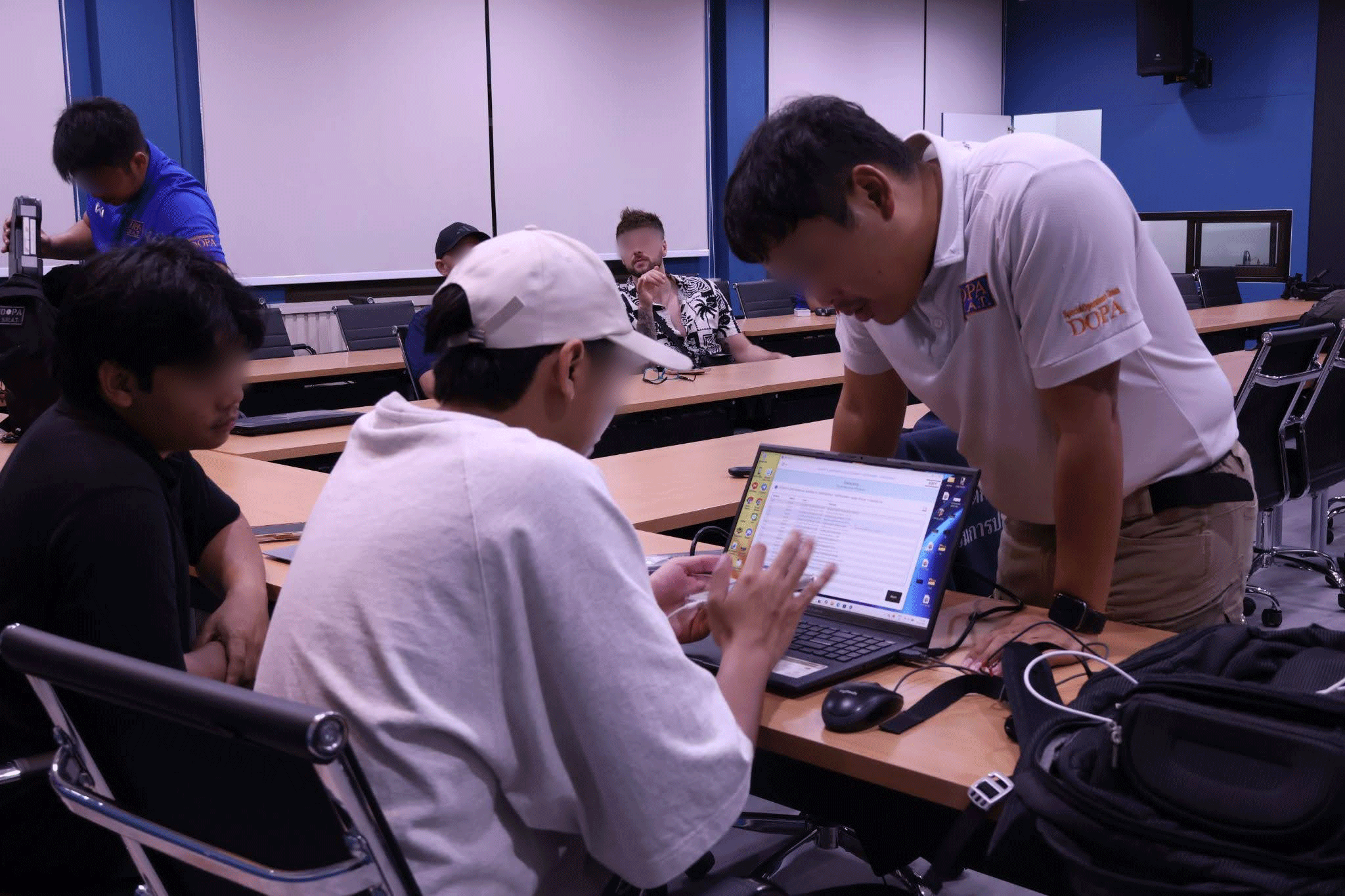
Spot the signs
“Always listen to their stories, especially when they share experiences or mention red flags.” — Rescue Agent Samantha
Online exploitation and grooming have a profound effect on young minds. All of the warning signs listed below were specifically mentioned by our rescue agents. By keeping an eye out for the following signs, caregivers may be able to identify and stop the abuse before it progresses further.
Behavioural indicators
● Changes in mood or personality
● Becoming secretive or withdrawn
● Losing interest in family activities
● Isolating
● Sudden changes in friend groups
● Spending excessive time online, especially at night
● Becoming defensive if asked about devices
● Language changes (Keep abreast of ever-evolving slang terms for sexual activities.)
● Receiving unexplained gifts
Online interactions
● Hidden or passcode-protected apps
● New or secret alternate social profiles
● Unknown or adult contacts
● Use of virtual proxy networks (VPNs) and incognito mode
● Suddenly deleting browsing history
● Messages containing sexualized language
● Requests to keep messages secret or “between us”
● Requests to meet “IRL” (in real life)
● Messages offering gifts in exchange for favours
If parents discover suspicious activity, it is essential that they remain calm. An intense reaction may drive the child to isolate further. “When children make mistakes, avoid punishing them right away,” Samantha said. “Instead, speak to them calmly and respectfully so they can learn, stay open to communication, and feel encouraged to share what they are going through.
Act
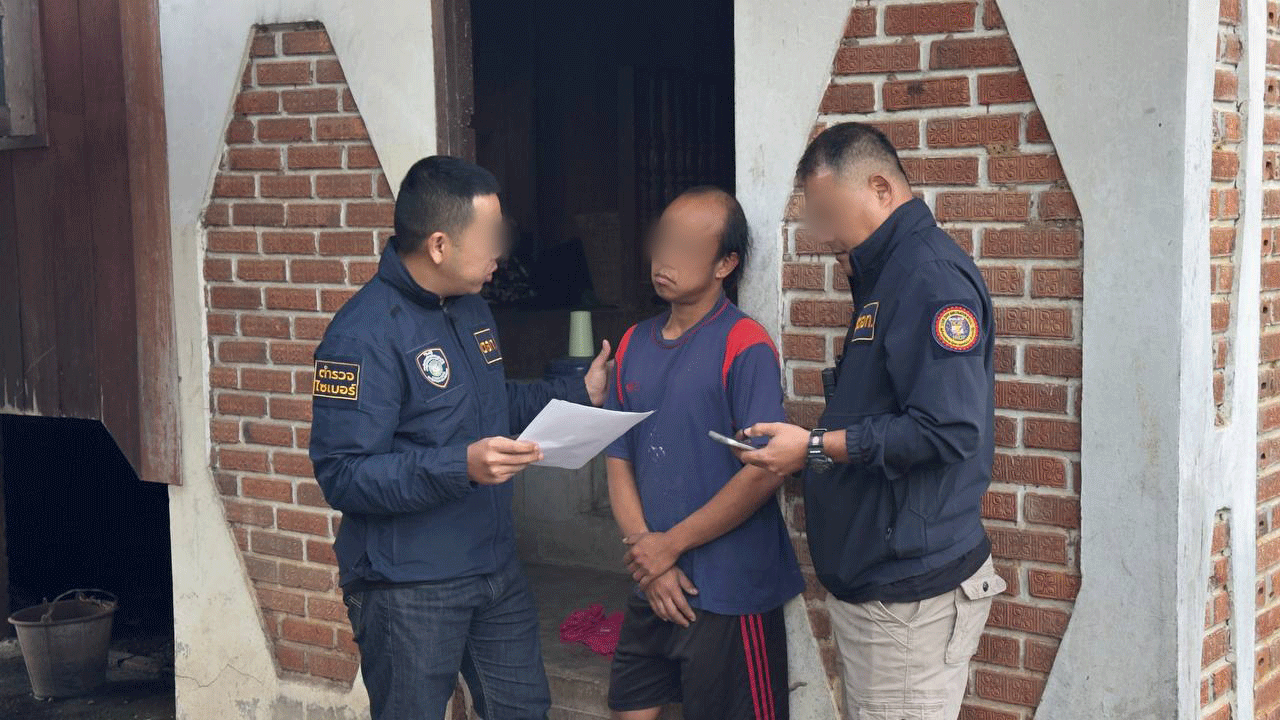
Whether it’s discovered through conversation or by inspecting a child’s device, parents must act quickly when they discover suspicious activity. Agents in multiple locations across the globe all recommended the same general procedure:
1. Save evidence: Screenshot messages or explicit images of any sort, and try to get an idea of the timeline of online interactions.
2. Secure the device: As soon as evidence is saved, switch the phone into aeroplane mode or disable internet access quickly; professional traffickers have ways of remotely wiping any trace of their interactions with kids.
3. Don’t share: Don’t engage with the trafficker or send the images or messages anywhere else.
4. Report: Contact authorities and report what’s happened to the platform. They have contacts with national departments that can streamline the process of finding the trafficker.
5. Get support: No matter how far the situation has progressed, both the parent and the child will need emotional and, possibly, legal support in the coming days.
You have the power to protect your little ones from harm online. Unfortunately, thousands upon thousands of children don’t have an advocate at home fighting for their protection. Will you be their advocate? Every day, our agents are scouring the internet to find and rescue children from online exploitation. Please consider equipping them to find and rescue more. Fill out the form below to rescue a child today.